By Amine Admi, Founder of Streametoile Marketing Agency
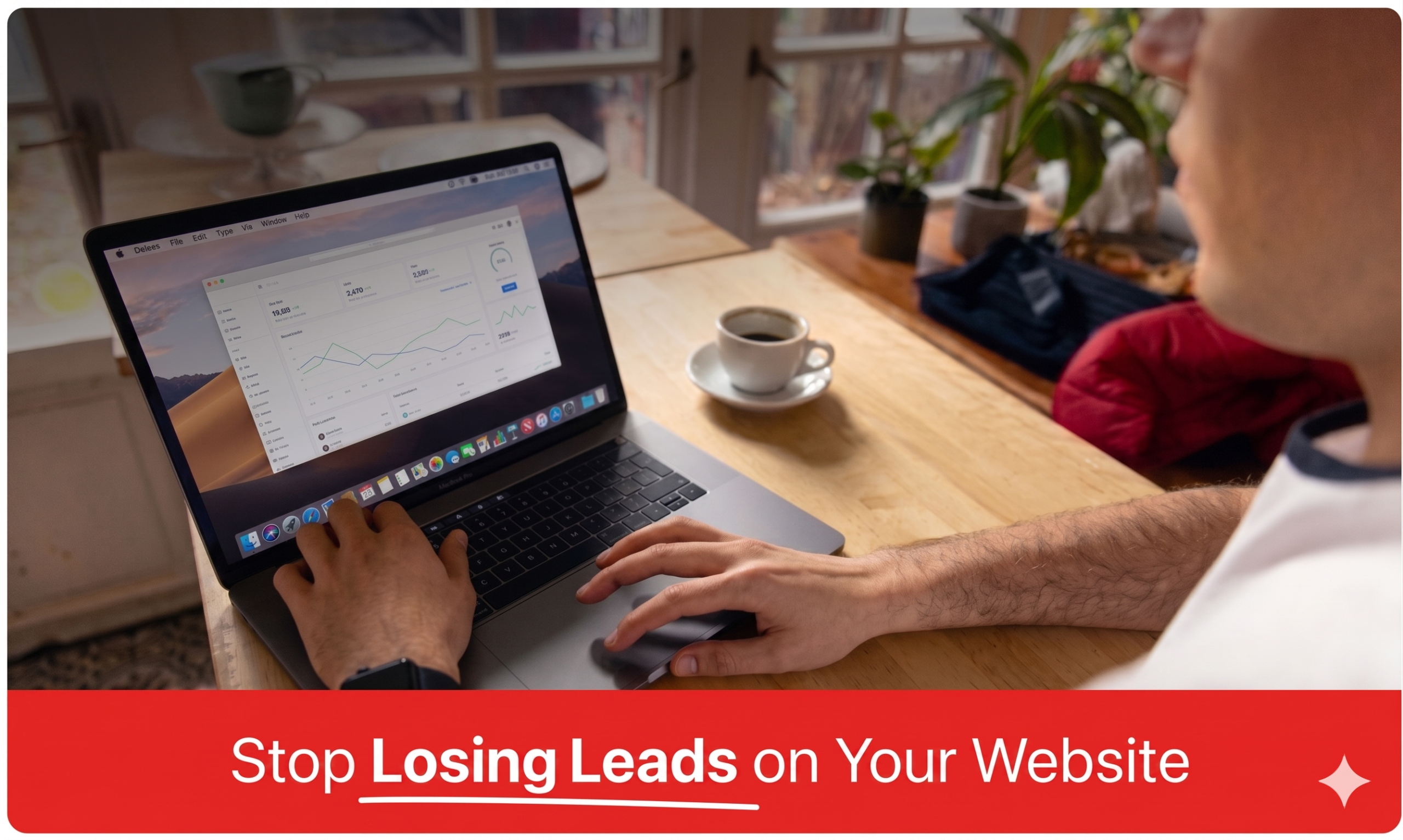
Your website has entered a dead zone — the post-launch slump. Months of revisions culminated in a live site driving traffic, but zero leads. Visitors arrive, browse, and leave. No forms are filled. No calls are booked.
If this resonates, you’re not alone. Average B2B website conversion rates hover between 2 and 3 percent. Pumping more money into paid ads won’t fix underlying website bottlenecks. Turning a website into a high-converting lead generation machine requires a targeted blend of data, UX design, and conversion rate optimization (CRO).
Here is why your website is failing to capture leads — and the actionable SEO and conversion strategies to fix it.
The bottom line: The best website design cannot convert the wrong audience. Fix your traffic quality before tweaking your landing pages.
A premium service website won’t convert visitors hunting for free DIY templates. The wrong traffic inflates numbers, skews analytics, and leads to a high bounce rate.
Fix it: Analyze Google Analytics to identify channels driving actual qualified leads. Ensure high-traffic pages offer clear Next Steps. Align your messaging to your ideal client’s specific pain points.
SEO must be optimized for revenue, not just rankings. Intent matters — a user searching “what is lead generation” wants to learn, while someone searching “B2B lead generation agency” is ready to buy.
Fix it: Map search terms to each stage of the buyer’s journey. Build dedicated landing pages for high-commercial-intent keywords.
B2B buyers are often two-thirds through their decision-making process before contacting a vendor. If your site only offers a contact form, you lose to competitors providing in-depth resources.
Fix it: Provide problem-awareness content, service comparison guides, and late-stage case studies to nurture prospects at every stage.
The bottom line: You have seconds to capture attention. Slow, cluttered, or confusing websites destroy trust instantly.
Pages loading in 1–3 seconds experience a 7% bounce rate. At five seconds, it spikes to 38%. With mobile accounting for over 62% of traffic, desktop-only optimization is a major conversion bottleneck.
Fix it: Use Google PageSpeed Insights. Compress images, enable browser caching, and upgrade from cheap shared hosting. Strictly test your conversion paths on mobile devices.
Users spend an average of 15 seconds on a webpage. Visual clutter and generic value propositions — “results-driven,” “expert team” — kill engagement. A strong USP names a specific audience, their exact problem, and your unique solution.
Fix it: Remove non-essential elements above the fold. Rewrite your USP. Example: “We help B2B SaaS companies modernize outdated systems to close deals faster.”
Vagueness introduces risk. Clearly defining your process can boost conversions by up to 230%.
Fix it: Add a concise “How It Works” section to service pages. Break your client onboarding and deliverables into three or four visible, straightforward steps.
The bottom line: Stop talking about your agency. Focus entirely on the buyer’s success. Place trust signals where doubts peak.
If your homepage leads with “we,” “our,” and your company name more than “you,” you’re alienating prospects. Visitors care about their problems, not your history.
Fix it: Rewrite we-centric copy to focus on the buyer. Use the exact words your best clients used during their initial discovery calls.
While 97% of buyers research vendors via their websites, only 9% trust the marketing copy. Testimonial carousels spin too quickly to read, and dedicated Testimonials pages are rarely visited.
Fix it: Ditch the carousels. Place static, outcome-driven testimonials directly next to conversion points like lead capture forms. Add authentic team photos to humanize your brand.
Capability is not differentiation. Without a specific reason to choose your agency, prospects default to comparing prices.
Fix it: Add “Who This Is For” and “Who This Is Not For” sections on service pages to self-qualify leads and establish instant authority.
The bottom line: “Book a Call” is a high-friction commitment. Offer lower-friction alternatives to prove value first.
Using a single, generic CTA like “Contact Us” fails to address different intent levels.
Fix it: Implement varied CTAs based on intent. Offer a downloadable guide or a free website audit for researchers, and reserve “Book a Strategy Call” for high-intent buyers ready to commit.
Answer these six questions honestly. Three or more “no” answers tells you exactly where to start:
Three or more no answers tells you where to start.
At Streametoile Marketing Agency, we specialize in diagnosing and fixing exactly these conversion bottlenecks. From traffic quality audits to CRO implementations, we turn your website into a lead generation engine — not just a digital brochure.
Book a free website audit and discover exactly where your website is losing leads and what to do about it.
